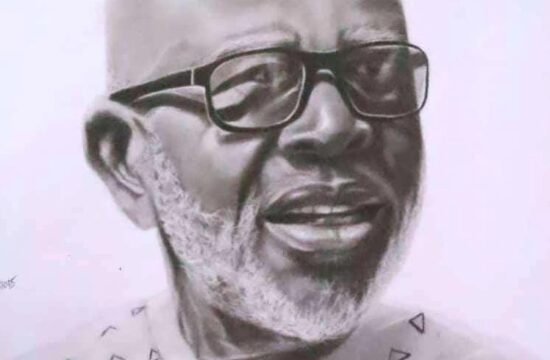

By Prof. MarkAnthony Ujunwa Nze
They can whisper in corners, draft warnings on official letterheads, or send intermediaries to “advise caution.” But intimidation does not rewrite arithmetic, and fear cannot delete the public record. What Governor Hope Uzodinma’s camp calls “concern” is, in fact, panic — the panic of power confronted by evidence.
For years, Imo’s citizens have been fed a steady diet of glossy claims — of thousands of homes built, terminals inaugurated, and billions in foreign investment miraculously attracted. But the numbers told a different story, one grounded not in rhetoric but in audited facts: budgets underfunded, projects uncompleted, statistics refuting self-congratulation. And now that those facts are public, the bearers of truth are the ones being warned to “be careful.”
This is how frightened power behaves — not with data, but with threats. Because for those whose politics depend on illusion, truth is the most subversive act imaginable.
I will not retreat. My work stands on the firmest ground available to any writer: the record. Every claim I have examined — from phantom housing estates to recycled infrastructure projects — was weighed against verifiable evidence from federal reports, fiscal documents, and official gazettes. Each conclusion was drawn not from sentiment but from documentation already in the public domain.
And that is what makes the threats absurd. What exactly do they intend to silence — the Central Bank’s ledgers? FAAN’s classifications? The National Bureau of Statistics’ tables? These institutions do not publish in fear of Owerri’s politics; they publish because the Republic requires truth, and because public accountability is not a regional favor.
To those orchestrating the intimidation, understand this: journalism is not an act of hostility. It is an act of record. When a journalist measures the words of power against the evidence of the state, that is not sabotage — it is democracy performing its self-inspection. The duty is not to comfort authority but to verify it.
Imo deserves better than propaganda masquerading as progress. The civil servant still waiting for a promised home, the trader whose market stalls remain unlit, the teacher whose classrooms flood when it rains — they are not fooled by televised ribbon-cuttings. They live the gap between speech and fact. They are the witnesses whose silence cannot be coerced, even when journalists are.
Governments end; archives endure. Administrations vanish; data remains. Power thrives on noise, but the truth works quietly, documenting everything, waiting patiently for the day the applause stops and someone finally asks, what really happened?
No government has ever outlasted the record. The most a threatened power can do is delay exposure — but even that delay is temporary. Because history is not kind to fear, and memory has no loyalty to politicians.
I do not write out of anger. I write out of respect for the people who pay the taxes that fund these projects, who deserve to know whether a terminal was truly built or merely repainted, whether billions were truly invested or simply announced. The truth belongs to them. And I owe it to them, not to those who confuse office with ownership.
So, let the warnings come. Let the whispers grow louder. The documents are already archived, the facts already cited, the discrepancies already measured. Threats cannot change them; fear cannot unwrite them.
The work will go on — line by line, chart by chart, until the illusion of progress gives way to the reality of governance. The truth cannot be threatened. It can only be proven, again and again, until even power itself is forced to admit it.